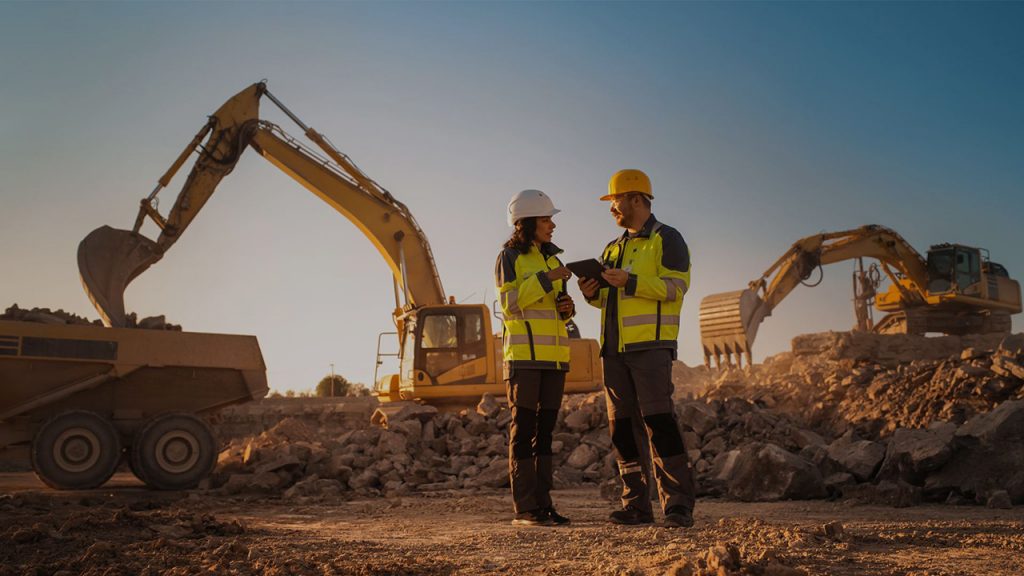
Generative AI’s role in the Building and Construction sector extends far beyond being a simple addition of new-age technology that can increase productivity.
The global construction sector is expected to grow over US$4.2 trillion over the next 15 years – from US$9.7 trillion in 2022 to US$13.9 trillion by 2037. The industry is adopting AI disruptors at a lightning pace and keeping pace with technology innovation to unlock exponential business value. AI in the construction market is anticipated to grow at a CAGR of 20% between 2023 and 2032.
Gen AI can significantly transform architecture, engineering and construction (AEC) which is one of the biggest industries in the world, but historically it has been among the slowest to digitize and innovate. As per McKinsey, this is changing fast: strong demand for infrastructure, a shortage of skilled labor, and increased stakeholder pressure for data transparency and integration are all accelerating digital adoption. As a result, the AEC tech ecosystem has experienced an explosion of investment, and a wave of start-up launches. An estimated $50 billion was invested in AEC tech between 2020 to 2022, 85% higher than the previous three years.
Generative AI in AEC can help with various aspects, including planning, real-time monitoring, and inspection. Improving productivity with data and technology integrations in the design phase and subsequent processes will boost efficiency and increase cost-effectiveness. Also, the compliance with regulations can help in avoiding legal issues, delays, and additional costs.
Let’s explore its uses and dive into its benefits for key areas.
Gen AI for Architecture, Engineering and Construction (AEC)
Generative AI is an emerging technology but is already widely adopted. It has proved its competence in almost every field by comprehending and building on data with contextual, audience-centric information analysis, content generation, and more.
In analyzing extensive datasets from AEC projects, AI generates efficient designs that enhance safety and longevity. Moreover, it can create improved construction schedules, automate data-driven tasks, and strengthen on-site safety measures.
The bottom line is that Gen AI has the potential to save the AEC industry billions of dollars annually and is poised to play a pivotal role in the industry’s future. Here’s a list of its key use cases for home design, construction, maintenance, mortgage, and customer buying experience, mainly jobs taken up by construction companies and their architecture and sales partners.
Gen AI for Realtors and Home Buyers
- Search for Properties: Personalize digital buying journeys catering to individual preferences, including comparability for features, amenities, and pricing.
- Home Purchase Journeys: Generate engaging home descriptions and features covering amenities, maintenance, warranty, locality, proximity, and more.
- Digital Tours: Build immersive experiences combined with Gen AI-driven interactive property tours from anywhere at any time.
- Hyper-personalized Recommendations: Recommendations based on customer preferences, including location, family size, financial situation, loan eligibility, and other factors.
- Evaluating Financing Options: Gen AI Assistants for buying decisions, including financial planning, mortgage options, and selection of EMI plans.
- Loan Payments: Improve customer-friendliness in processes, queries, facilitation, and reminders.
- Interactive Customer Service: 24×7 multilingual customer inquiries and support covering everything from information about the property to services, financing, payment dues, invoices, taxation, government support, account information, and more.
Gen AI for Design, Construction, and Maintenance
- Home Virtual Prototyping: Simulate and test different design iterations for structural integrity, energy efficiency, and other critical factors and identify potential issues early in the design phase.
- Customize Home Design: Personalized private Gen AI models customize new designs based on past projects to meet customer needs and preferences.
- Integrated Home Technologies: Integrate Gen AI with VR, Connected Home solutions, Natural Language Processing (NLP), and Voice Bot apps to provide practical home solutions.
- HVAC and MEP Systems: Generate efficient layouts for HVAC (Heating, Ventilation, and Air-Conditioning) and MEP (Mechanical, Electrical, and Plumbing) systems to improve space usage, energy efficiency, and easy maintenance.
- Building Operations and Maintenance: Analyze data for predictive maintenance, energy savings, and improved building performance.
- Smart Inventory Management: Predict material requirements, keep track of inventory levels, track shipments, get real-time status updates, evaluate supplier performance, and more to streamline supply chains.
- Design to Construction and Maintenance Simulation: Optimize and innovate design, construction, and maintenance processes and enable best decisions based on simulation strategies.
- Process or System Innovation: Analyze complex system data to uncover patterns and trends to bring innovation in processes, workflows, and systems.
Gen AI for Construction Regulations and Compliance
- Zoning Regulations: Understanding and drafting compliance documents for zoning laws that govern land usage and dictate where and how a property can be built.
- Permits and Inspection Scheduling: Monitor with Gen AI – building permits, submit plans and schedule inspections at various stages of construction.
- Environmental Impact Assessment: Construction companies can assess their project’s environmental impact, plan eco-friendly practices, and review materials.
- Energy Efficiency Standards: Monitor the use of energy-efficient building materials and systems to reduce environmental impact and energy costs.
- Natural Disaster Preparedness: Gen AI helps construction companies prepare for natural disasters by analyzing historical data and suggesting resilient construction methods.
- On-site and Occupant Safety: Monitor and govern rules and regulations for construction site safety to protect workers and to install safety features in the home and buildings to protect occupants.
- Soil and Foundation Requirements: Validate the construction site soil type against the design of the foundation for stability and longevity of homes, buildings, and more.
- Accessibility Standards: Plan for accessibility features for individuals with disabilities as a part of construction design and add features mandated by law.
- Electrical and Plumbing Codes: Ensure the safety and functionality of homes and buildings’ electrical and plumbing systems.
- Insurance Requirements: Track liability insurance to protect against accidents or damage during construction.
Gen AI for Realty Sales and Marketing
- Customer Feedback Analysis: Analyze customer feedback and reviews, analyze sentiments, extract meaningful information with text summarization to enhance engagement and provide input to design and construction teams.
- Sales and Marketing: Market research, targeted marketing campaigns, content creation, sales videos, sales inquiries, product information, etc.
- Generative Art and Visualization: Generate visually appealing project renderings and presentations to aid customer communication and marketing.
- Cost Estimation: Analyze historical project data and current project details to estimate construction costs more accurately. Improve budget planning, accuracy in selling prices, and marketing strategy.
Gen AI for Mortgage
- Personalize Mortgage Plans: Personalize plans for borrowers by providing tailored information and recommendations based on individual needs.
- Loan Approval and Servicing: Automate pre-qualification, loan approval, and loan servicing. Auto- generate loan amounts and interest rates based on varying financial situations, financial history, credit ratings, etc.
- Eligibility for Government Programs: Enable automated eligibility checks for government loans.
Gen AI for Employees
- Project Management and Scheduling: Automate progress tracking and status updates, scheduling meetings, assigning tasks to team members, labor and equipment availability, weather conditions, etc.
- Work and Job Schedules: Implement Gen AI-driven workforce planning based on historical project data, type, size, location, and other various parameters.
- Safety Drills and Planning: Generate suggestions for safety protocols and identify potential hazards based on project details. It can also help with the creation of safety training simulations for workers.
- Internal Communications: Access organization-wide centralized platforms for detailed data summaries, project updates, resources, collaboration, and knowledge sharing.
- Training and Onboarding: Build and introduce interactive simulations for company policies, procedures, and best practices.
- HR Support: HR-related queries such as benefits, payroll, and company policies.
- IT Support: Troubleshooting common issues with software or hardware, such as resetting passwords, connecting to Wi-Fi, and more.
Gen AI for Data Infrastructure & Security
- Network Monitoring: Monitor network traffic, detect issues, and provide alerts.
- System Administration: Manage system configurations, monitor system health, and automate routine tasks such as backups and updates.
- Data and System Security: Identify security threats, such as malware or unauthorized access attempts.
- Helpdesk Support: Troubleshoot issues.
- System Analytics: Analyze system logs and performance metrics, identify areas for improvement, and generate reports.
- Automation for Software Issue Resolutions: Automate repeated tasks and incident resolution.
Gen AI for Great Architecture: Laying the Foundation, Brick by Brick
Generative AI streamlines building, project planning, and management by accurately predicting project timelines and resource requirements, minimizing delays and cost overruns. It contributes to improved safety on construction sites using AI-powered sensors and custom vision, which monitor the work environment in real time and provide predictive analytics to prevent accidents.
Additionally, it assists in optimizing design, planning, and safety, not only reforming the building and construction’s age-old outlook but also paving the way for efficiency, longevity, and innovation.
In conclusion, Gen AI is revolutionizing the construction sector by streamlining compliance with stringent safety regulations while speeding up the prerequisites to achieve the goal. It saves time and money for contractors, construction companies, and building owners by identifying and rectifying violations while improving the safety and longevity of new construction.
While the benefits are numerous, it’s essential to consider a few challenges and limitations, including the need for high-quality data and specialized expertise to bring out its accuracy. Nevertheless, with the right approach and investment, Gen AI can enable better construction, safer processes, and long-sustaining structures, marking the sectors’ entry into an era of innovation and transformation.
The limitless potential of generative AI opens the door to smarter practices, allowing the construction industry to create inspiring structures for the future.